
Britain’s railways are about to run on wind
RWE, the German energy company that has spent years repositioning itself from coal to renewables, has agreed to supply 300 gigawatt-hours of electricity annually to Network Rail, the public body that owns and operates Britain's rail infrastructure. The power will come from Gwynt y Mor, RWE's offshore wind farm sitting in the waters off northwest England. The contract starts in April next year.
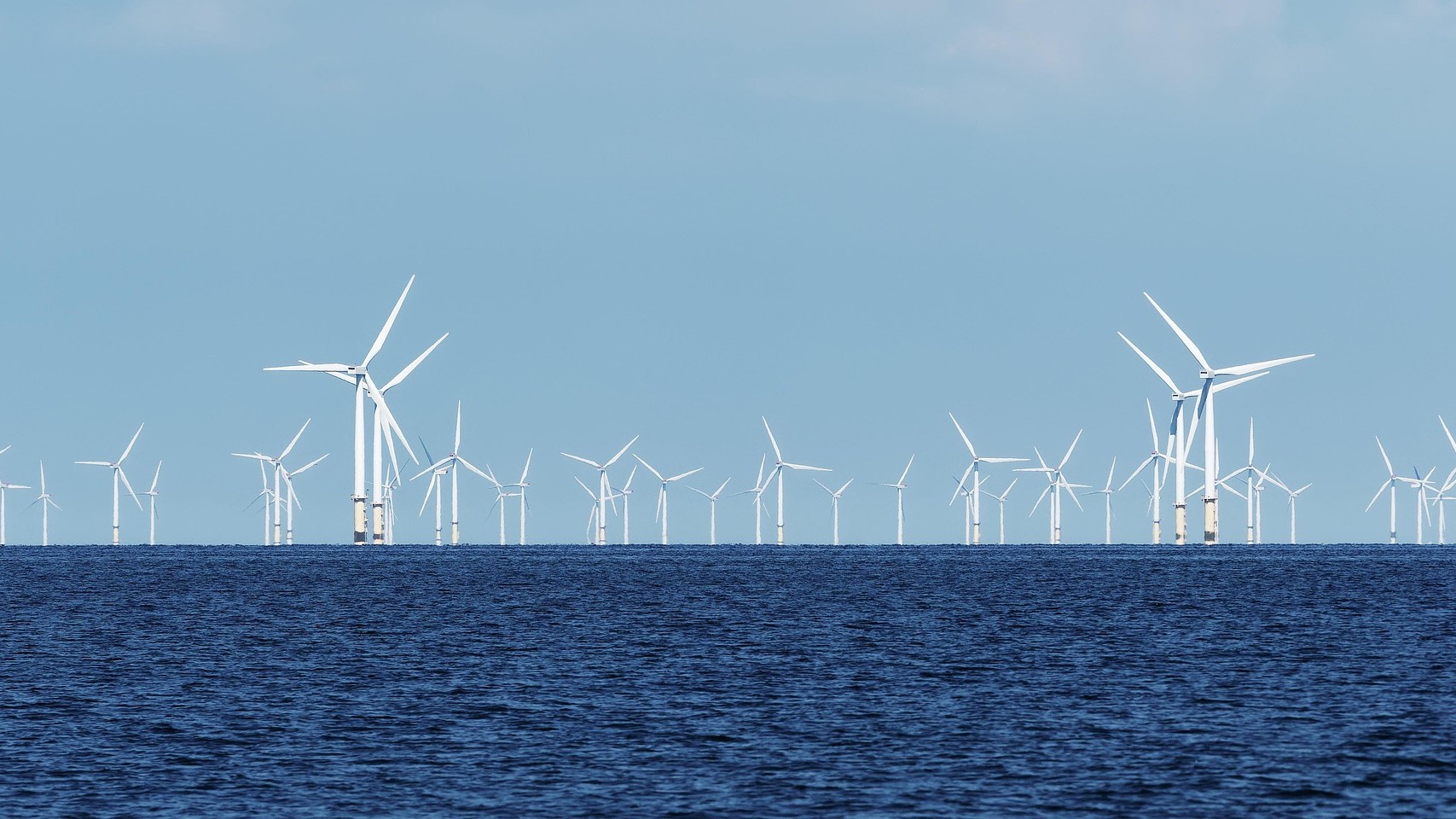
RWE, the German energy company that has spent years repositioning itself from coal to renewables, has agreed to supply 300 gigawatt-hours of electricity annually to Network Rail, the public body that owns and operates Britain’s rail infrastructure. The power will come from Gwynt y Mor, RWE’s offshore wind farm sitting in the waters off northwest England. The contract starts in April next year.
The scope of what Network Rail wants to decarbonise is broader than it might first appear. Trains themselves are a separate matter. This deal targets the static load: stations, maintenance depots, corporate offices, the sprawling operational estate that keeps the network running without moving an inch of rolling stock. The aim is to cover all of it with renewable electricity by 2030.
RWE described the agreement as the first corporate power purchase agreement concluded through the UK’s new central government procurement agency, which opened for business in April. Whether that institutional novelty proves significant will depend on how many deals follow it through the same channel.
The timing placed it alongside another substantial offtake agreement. Evolve Energy, which positions itself as a specialist in power supply for industrial and commercial clients, struck a nine-year deal with Shell to take 112 gigawatt-hours annually from the Race Bank project in the North Sea. Evolve’s model is worth noting: rather than serving a single large buyer, it aggregates demand from multiple business customers, allowing smaller corporates to access renewable power contracts that would otherwise require scale they don’t have.
Both deals land at a moment when the European offshore wind sector is trying to put a difficult year behind it. Corporate power purchase agreements in the sector fell by roughly 80 percent in capacity terms during 2025, a contraction that reflected years of accumulated inflationary pressure working through project economics and forcing a broad repricing of wind-generated electricity. Analysts watching the sector had anticipated that 2026 would bring a recovery, partly because policy signals from several governments had begun to stabilise buyer confidence.
RWE is also already contracted to supply Lidl from Gwynt y Mor, which means the same wind farm is now feeding a supermarket chain and a national rail network simultaneously. Elsewhere, Amazon and Munich Airport have signed up to take power from RWE’s Nordseecluster in the German North Sea, and Google has a separate agreement with EnBW covering output from the He Dreiht project. The corporate appetite for named, traceable renewable supply is clearly not confined to any single sector or geography.
Whether 2026 marks a genuine inflection point or just a brief interruption in the market’s difficulties will take longer to judge. For now, the contracts are accumulating, and Britain’s signal boxes and waiting rooms are getting their power from the Irish Sea.