
Europe’s Effort to Break the Cycle of Energy Price Shocks
A year after the European Commission unveiled its strategy to address rising energy costs, the challenge of affordable energy remains firmly on the political agenda. Although the most severe price spikes have eased, European energy markets continued to face pressure throughout 2025 from a combination of global and environmental factors.
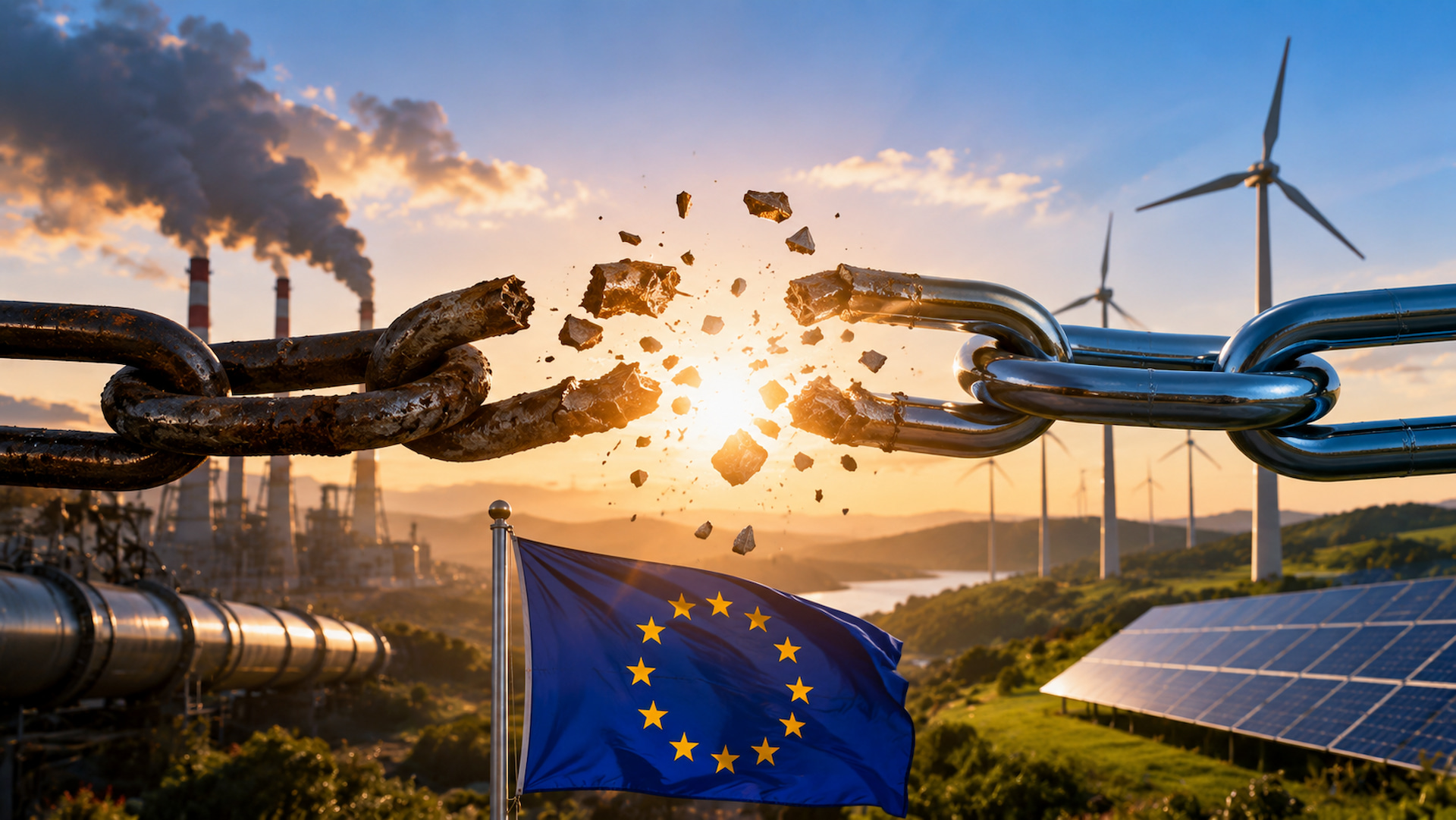
A year after the European Commission unveiled its strategy to address rising energy costs, the challenge of affordable energy remains firmly on the political agenda. Although the most severe price spikes have eased, European energy markets continued to face pressure throughout 2025 from a combination of global and environmental factors. Shifts in international supply chains, unusual weather patterns affecting wind and hydropower generation, and periods of intense winter demand all contributed to renewed volatility in wholesale energy prices.
Yet the past twelve months have also been marked by a broad effort to strengthen the foundations of Europe’s energy system and reduce its exposure to future shocks.
Many of the commitments outlined in the Action Plan for Affordable Energy have moved from policy proposals to concrete initiatives. Among the most significant developments was the presentation of the European Grids Package in December, designed to accelerate investment in the infrastructure needed for an increasingly electrified and renewable-based energy landscape.
At the same time, the Commission launched consultations on several upcoming policy frameworks that will influence the direction of European energy and climate policy in the years ahead. These include revisions linked to Energy Union governance, as well as the mechanisms through which the European Union manages targets for emissions reduction, renewable energy deployment, and energy efficiency improvements.
Legislation has been only one part of the effort. Throughout the year, the Commission issued guidance and recommendations aimed at helping governments, businesses, and energy stakeholders expand renewable energy deployment and improve efficiency across multiple sectors. Coordination between member states has also intensified through the creation of the Energy Union Task Force, a platform established to facilitate cooperation on strategic issues ranging from energy taxation and grid development to methane emissions management.
European institutions have repeatedly emphasized that while many challenges require coordinated action at the EU level, certain solutions are most effective when implemented nationally or locally. Support for member states therefore remains a central component of the broader strategy.
First presented on 26 February 2025, the Action Plan for Affordable Energy was conceived as a response to several structural weaknesses within Europe’s energy system. These included continued dependence on expensive fossil fuel imports, inefficiencies in market design, and the incomplete integration of electricity networks across the continent.
The plan combined immediate relief measures with longer-term reforms. Short-term actions focused on reducing energy bills through instruments such as lower electricity taxes and levies, greater use of the Clean Industrial State Aid Framework, and targeted protections for households most vulnerable to energy poverty. Several member states have already reported progress from measures introduced under these provisions.
Beyond immediate cost relief, the strategy seeks to reshape the underlying architecture of Europe’s energy sector. Investment in modern electricity grids, stronger cross-border interconnections, expanded storage capacity, industrial flexibility, and faster permitting processes are all considered essential elements of a more resilient system. Alongside these efforts, continued growth in renewable energy generation and improvements in energy efficiency remain at the heart of Europe’s long-term approach to reducing costs and strengthening energy security.
Twelve months on, the affordability challenge has not disappeared. What has changed is the scale of the policy response. The focus has gradually shifted from managing individual price crises toward building an energy system better equipped to withstand them.