
Europe’s Energy Future Will Be Decided at Home
For decades, Europe's prosperity has rested on an uncomfortable contradiction. The continent built some of the world's most advanced economies while relying heavily on energy sources controlled, extracted, and priced beyond its borders. That arrangement appeared manageable during periods of stability. Recent events have exposed its fragility.
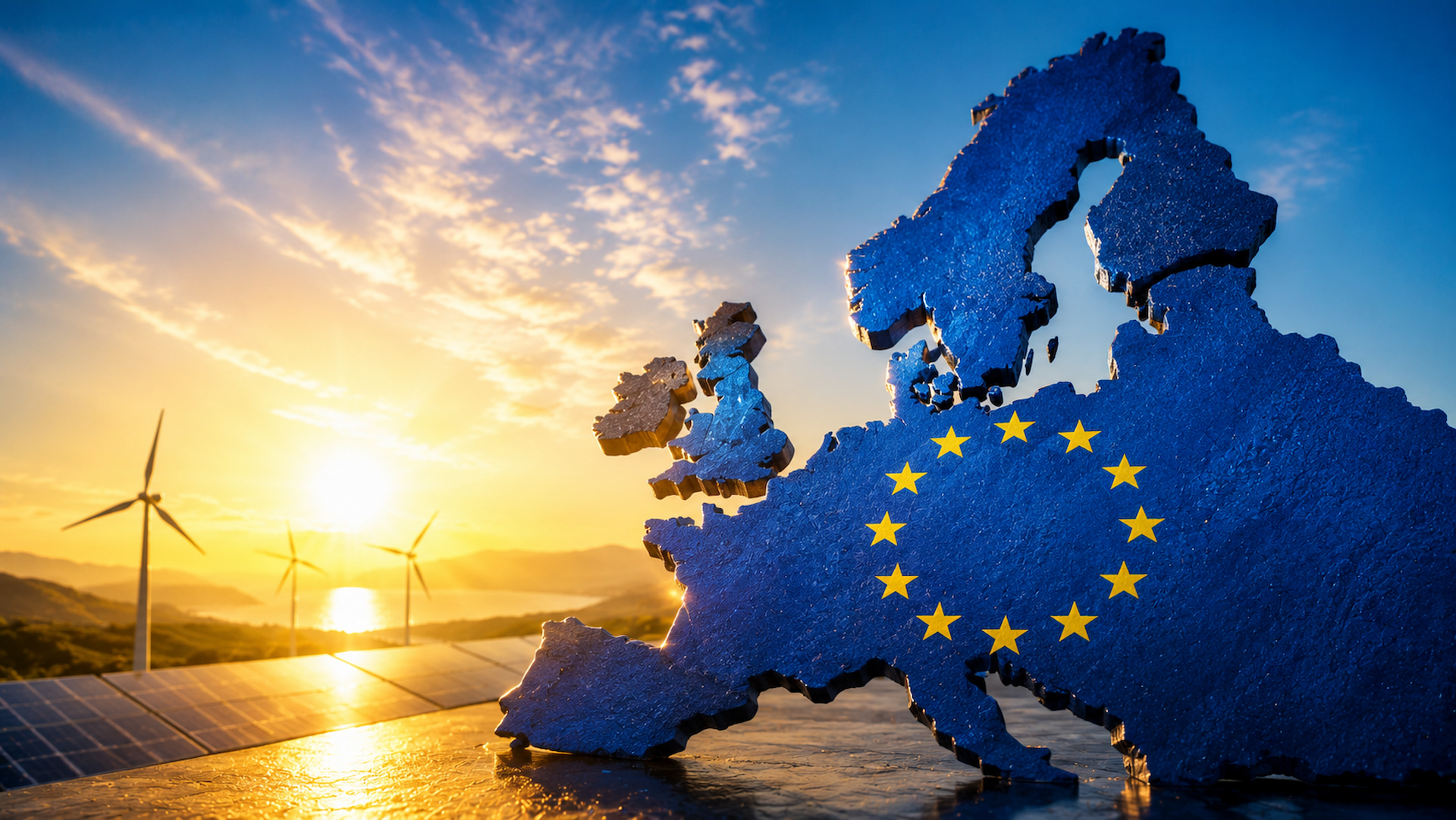
For decades, Europe’s prosperity has rested on an uncomfortable contradiction. The continent built some of the world’s most advanced economies while relying heavily on energy sources controlled, extracted, and priced beyond its borders. That arrangement appeared manageable during periods of stability. Recent events have exposed its fragility.
Every surge in fossil fuel prices, every disruption to global supply chains, and every geopolitical confrontation has carried the same message: dependence comes at a cost. Not only in financial terms, but also in strategic flexibility. Nations that cannot fully control the energy powering their factories, transport systems, and households inevitably surrender part of their economic sovereignty.
The financial consequences have been substantial. Since the beginning of the energy crisis, Europe has directed tens of billions of euros toward additional fossil fuel imports. Resources that could have been invested in domestic manufacturing, infrastructure upgrades, innovation, and consumer support instead flowed outward. The mechanism behind the losses is simple. As long as imported fossil fuels remain central to the economy, Europe remains vulnerable to forces it cannot fully influence.
Replacing one imported fuel source with another offers little lasting protection. Diversification may reduce immediate risks, but it does not solve the underlying problem. Dependence remains dependence, regardless of where shipments originate.
A different path is emerging. Across Europe, the electrification of transport, heating, and industry is steadily transforming the conversation about energy security. Clean electricity generated within Europe offers something imported fuels never can: long-term control over costs, supply, and strategic direction.
The economic implications are significant. As global competition intensifies, countries capable of delivering reliable, affordable electricity to businesses will enjoy a powerful advantage in attracting investment and maintaining industrial activity. Forecasts already point toward a substantial decline in European demand for oil and gas during the coming years. A complete transition away from fossil fuel dependence could ultimately save the European economy trillions of euros that would otherwise be spent managing volatility, imports, and recurring crises.
Public opinion appears increasingly aligned with that objective. Surveys conducted across several major European economies reveal broad support for investments in clean energy technologies, electrification, and greater European cooperation on energy security. Notably, this support extends well beyond traditional political boundaries. Businesses are reaching similar conclusions. Growing numbers of companies view electrification not only as an environmental measure, but as a practical strategy for strengthening resilience and reducing exposure to unpredictable energy markets.
The decisions currently facing European policymakers therefore extend far beyond technical questions about power generation. They concern the economic model Europe intends to build for the decades ahead.
History offers several examples of Europe responding boldly when circumstances demanded it. The creation of the Single Market reshaped economic integration across the continent. The introduction of the euro reinforced financial autonomy. Joint action during the pandemic demonstrated that collective responses can protect jobs and accelerate recovery even during extraordinary disruptions.
Energy now presents a challenge of comparable scale.
If Europe intends to achieve genuine independence, four priorities stand out.
The first is making electrification the central pillar of energy policy. The technologies needed to reduce fossil fuel consumption already exist. Electric vehicles, heat pumps, renewable generation, advanced storage systems, and industrial electrification solutions continue to improve while becoming increasingly competitive. What remains missing is a framework capable of accelerating deployment. Policymakers must provide long-term investment certainty, modernize electricity markets, and expand grid infrastructure at a pace that matches industrial demand.
The second priority is industrial leadership. Europe has built considerable expertise in sectors ranging from wind power and grid technology to energy storage and industrial decarbonisation. Maintaining that position will require more than domestic deployment. The continent must remain a place where these technologies are designed, manufactured, refined, and exported. Industrial policy, innovation support, and supply chain development will be essential if Europe hopes to remain competitive in the emerging energy economy.
Third, the scale of investment must match the scale of ambition. Energy transformation is not a marginal economic adjustment. It represents one of the largest industrial undertakings in modern European history. The capital exists. European households, financial institutions, and investment vehicles collectively possess enormous resources. The challenge lies in directing those resources toward long-term strategic priorities. Enhanced financing mechanisms, stronger investment frameworks, and coordinated funding tools can help ensure that every member state participates in the transition regardless of starting conditions.
The fourth priority extends beyond Europe’s borders. Energy security increasingly depends on international partnerships built around resilience rather than dependence. Countries throughout Africa, Latin America, the Indo-Pacific region, and the Middle East face similar concerns regarding supply chain concentration, resource security, and access to critical technologies. Europe has an opportunity to help shape a new model of cooperation focused on clean energy development, industrial collaboration, and mutually beneficial growth.
Ultimately, the choice confronting Europe is not especially complicated.
One option is to continue navigating recurring energy emergencies as they arise, addressing symptoms while leaving structural vulnerabilities intact. The other is to confront the source of those vulnerabilities directly.
By accelerating electrification, investing in industrial renewal, strengthening infrastructure, and building a more self-reliant energy system, Europe can move beyond crisis management and toward long-term stability. In doing so, it would transform energy policy from a defensive necessity into a defining strategic advantage, laying the foundation for a stronger, more resilient continent whose future is powered increasingly by resources generated within its own borders.