
US Eases Russia Oil Sanctions as Iran Conflict Drives Global Energy Crisis
Global Energy Markets Shift as Geopolitical Tensions Escalate The global energy landscape is undergoing a dramatic transformation as rising tensions in the Middle
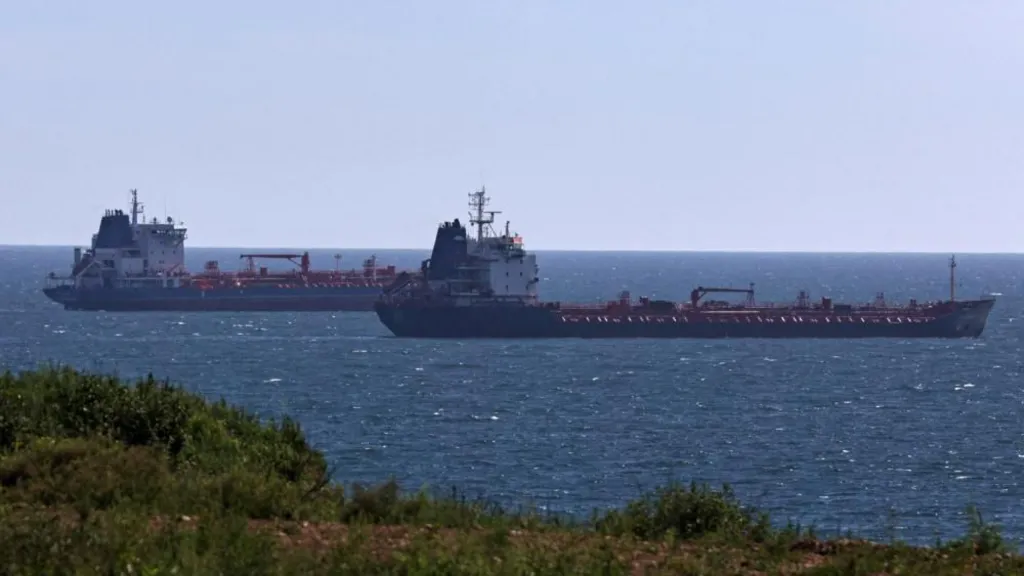
Global Energy Markets Shift as Geopolitical Tensions Escalate
The global energy landscape is undergoing a dramatic transformation as rising tensions in the Middle East disrupt oil supply chains and push energy prices higher. Governments across the world are being forced to reassess sanctions, alliances, and energy security strategies to stabilize markets and protect economic stability.
Recent developments indicate that the United States has moved to ease certain restrictions on Russian oil exports. This strategic decision emerges amid the intensifying conflict involving Iran, which has significantly constrained energy flows through key shipping corridors and threatened global oil availability.
The resulting geopolitical recalibration reflects a broader reality: energy security has once again become the central pillar of international policy.
Why the US Adjusted Russia Oil Sanctions
Strategic Energy Stabilization
When geopolitical conflict disrupts oil supply, governments must react quickly to prevent market panic. The escalating tensions surrounding Iran have created uncertainty in several critical energy corridors, including the Strait of Hormuz—one of the world’s most important oil transit routes.
By relaxing certain restrictions on Russian oil trade, the United States aims to stabilize global supply and prevent sharp spikes in crude prices.
Key strategic motivations include:
-
Preventing extreme volatility in global oil markets
-
Protecting domestic energy prices and inflation levels
-
Ensuring sufficient supply for allied economies
-
Maintaining strategic leverage in the evolving geopolitical landscape
Energy markets are highly sensitive to supply disruptions. Even minor interruptions in shipping routes or production capacity can send prices soaring, impacting everything from transportation costs to food prices worldwide.
The Iran Conflict and Its Impact on Oil Supply
Disruption of Key Energy Corridors
The conflict involving Iran has raised concerns about the stability of maritime routes that carry a large portion of the world’s oil. The Strait of Hormuz alone handles roughly one-fifth of global oil shipments.
Any military escalation or blockade could severely limit supply and trigger immediate market reactions.
Major risks to global energy supply include:
-
Military confrontation in the Persian Gulf
-
Attacks on energy infrastructure
-
Blockades or restrictions in major shipping routes
-
Reduced exports from regional oil producers
These developments have prompted governments and energy companies to diversify supply sources as quickly as possible.
Russia’s Role in the Global Oil Market
A Critical Supplier Amid Market Instability
Russia remains one of the world’s largest oil exporters. Even under sanctions, Russian energy exports continue to influence global supply dynamics. Allowing limited flexibility in Russian oil trade provides an immediate buffer against supply shocks caused by instability in the Middle East.
Russia’s energy sector possesses several characteristics that make it strategically significant:
-
Massive proven oil reserves
-
Extensive pipeline infrastructure
-
Established export networks to Europe and Asia
-
High daily production capacity
By allowing more Russian oil to reach international markets, policymakers are effectively injecting additional supply into a strained global system.
Energy Price Dynamics During Geopolitical Conflicts
Why Oil Prices React So Quickly
Oil markets are extremely responsive to geopolitical risk because supply chains operate on tight margins. When traders anticipate potential shortages, futures prices climb immediately.
Several factors amplify these price reactions:
-
Fear-driven speculative trading
-
Strategic reserve stockpiling by governments
-
Supply chain disruptions
-
Insurance costs for maritime transport
The interaction of these factors can rapidly accelerate price increases across energy markets.
Economic Consequences of Rising Energy Prices
Inflation and Industrial Pressure
Energy costs influence almost every sector of the global economy. When oil prices rise, transportation, manufacturing, and agriculture all become more expensive.
The consequences include:
-
Higher consumer inflation
-
Increased transportation costs
-
Pressure on industrial production
-
Rising food prices due to logistics expenses
European economies, in particular, remain highly sensitive to energy price fluctuations because of their reliance on imported fuels.
Strategic Energy Diversification
Governments Accelerate Long-Term Solutions
While short-term measures such as sanction adjustments help stabilize markets, many countries are simultaneously accelerating long-term energy strategies.
These include:
Expanding Renewable Energy
Wind, solar, and hydroelectric capacity are being rapidly expanded to reduce dependence on fossil fuels.
Building Strategic Reserves
Countries are increasing petroleum reserves to cushion future disruptions.
Diversifying Supply Partners
Governments are strengthening trade relationships with multiple oil-producing regions to prevent reliance on a single supplier.
Investing in Energy Infrastructure
New pipelines, LNG terminals, and shipping routes are being developed to improve resilience.
The Future of Global Energy Security
A New Era of Energy Geopolitics
The current situation highlights the fragile balance of the global energy system. Conflicts, sanctions, and economic policies are deeply intertwined with oil supply and price stability.
Several trends are expected to shape the next decade:
-
Increasing geopolitical competition over energy routes
-
Continued volatility in oil markets
-
Greater investment in alternative energy technologies
-
Strategic reconfiguration of global energy alliances
Energy security is no longer simply a matter of supply and demand—it has become one of the defining geopolitical issues of the modern world.
Conclusion
The decision to ease restrictions on Russian oil exports illustrates the complex realities of global energy politics. As tensions surrounding Iran disrupt supply expectations, policymakers must weigh sanctions policy against economic stability.
The global oil market operates as a tightly interconnected system where geopolitical conflict, economic policy, and energy security intersect. Adjustments in one area inevitably reshape the entire landscape.
As nations adapt to an increasingly uncertain world, energy strategy will remain at the heart of international decision-making and economic resilience.