
When Oil Fears Fade, European Markets Find New Momentum
A shift in geopolitical sentiment can sometimes move financial markets more effectively than a quarter of corporate earnings reports. That dynamic was on full display across Europe as equities climbed to fresh record territory following signs that tensions between the United States and Iran may be entering a less confrontational phase.
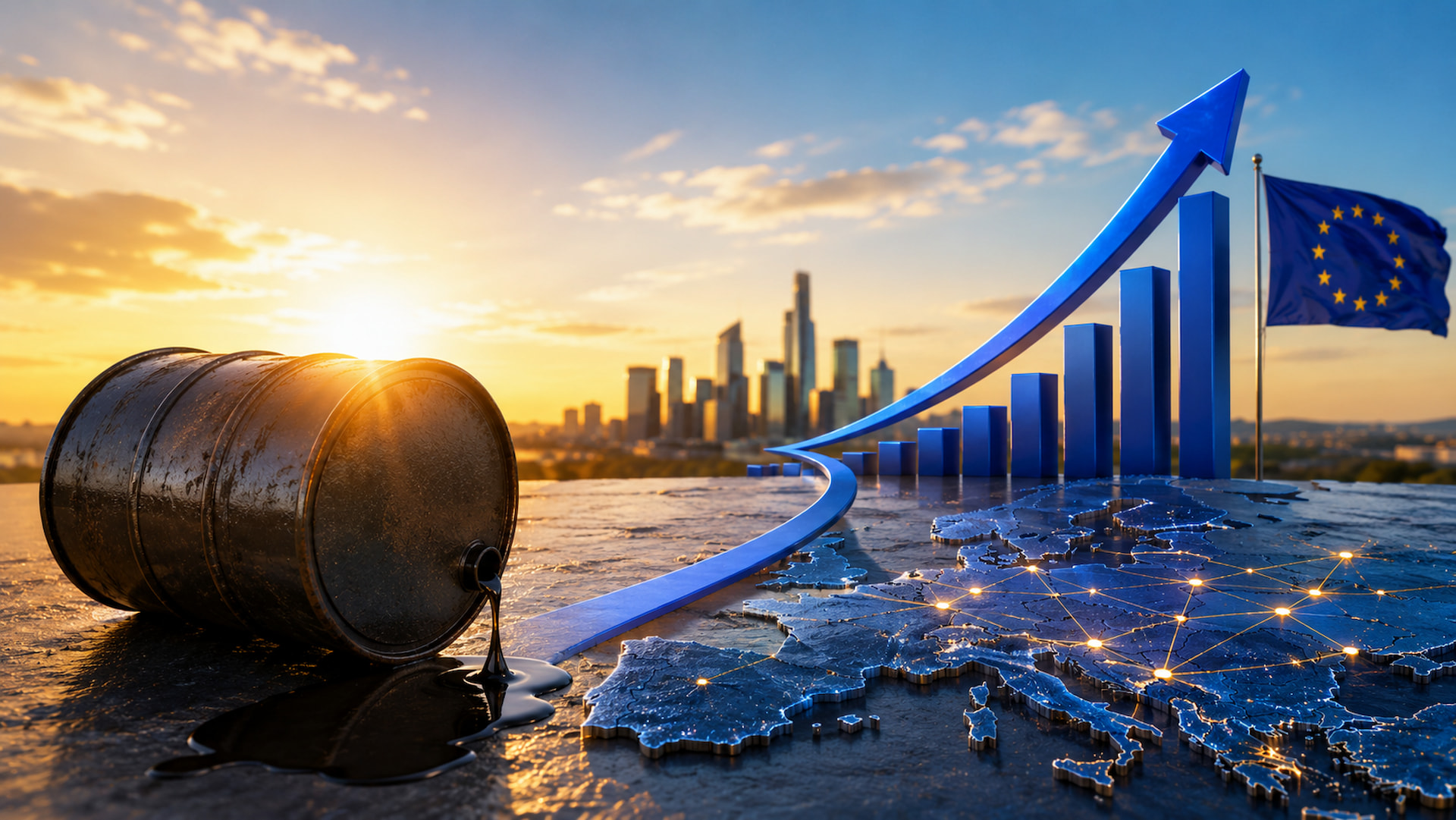
A shift in geopolitical sentiment can sometimes move financial markets more effectively than a quarter of corporate earnings reports. That dynamic was on full display across Europe as equities climbed to fresh record territory following signs that tensions between the United States and Iran may be entering a less confrontational phase.
Investors responded quickly to indications that diplomatic progress could lower the probability of disruptions in global energy flows. For markets that have spent years navigating supply shocks, inflationary pressures, and unpredictable commodity prices, even a modest reduction in uncertainty can have a powerful effect on confidence.
The advance in European shares reflects more than optimism about international relations. It highlights the central role energy continues to play in the continent’s economic outlook. Despite significant investments in renewable power, efficiency measures, and diversification strategies, Europe remains highly sensitive to movements in global oil and gas markets. Any development that reduces the likelihood of supply interruptions immediately attracts attention from investors, policymakers, and corporate executives alike.
Oil prices sit at the heart of this relationship. When crude becomes more expensive, the effects ripple through virtually every segment of the economy. Transportation costs rise, manufacturing expenses increase, and consumer purchasing power can weaken as households allocate more of their income toward fuel and energy bills. The opposite is also true. When energy markets become more stable and prices ease, businesses gain breathing room and consumers often benefit from lower costs across a range of goods and services.
Several sectors stand to gain disproportionately from such an environment. Airlines, shipping companies, logistics providers, and industrial manufacturers all operate with significant exposure to fuel costs. Retailers and consumer-focused businesses can also benefit when households face fewer energy-related financial pressures. In many cases, lower input costs improve profitability while simultaneously supporting demand.
The reaction from investors also underscores how rapidly market expectations can change. Financial markets continuously assess risk, assigning value not only to current conditions but also to future possibilities. When a major source of uncertainty begins to recede, investors often move quickly to adjust portfolios, seeking opportunities in sectors that could benefit from a more favorable economic backdrop.
Inflation remains another crucial part of the story. Energy prices have been among the most influential drivers of inflation during recent years. A sustained period of lower oil prices could contribute to slower consumer price growth across Europe, helping central banks move closer to their inflation targets. Such an outcome would strengthen arguments for a more accommodative monetary policy stance in the future.
For equity markets, that prospect carries considerable significance. Lower inflation can create room for interest rate reductions, easing borrowing costs for businesses and consumers alike. Companies benefit from improved financing conditions, while investors often view lower rates as supportive for stock valuations. The combination of easing energy costs and a potentially more flexible monetary environment creates a backdrop that many market participants regard as constructive for risk assets.
Yet the broader lesson extends beyond any single trading session or diplomatic development. Europe’s latest market milestone serves as a reminder that energy security remains deeply intertwined with financial performance. Even in an era increasingly defined by technology, artificial intelligence, and digital transformation, the price and availability of energy continue to shape economic outcomes with remarkable force.
The recent rally suggests that investors are not merely celebrating a temporary reduction in geopolitical tensions. They are recognizing the economic value of stability itself. When the threat of supply disruption diminishes, businesses can plan more effectively, consumers face fewer shocks, and markets gain confidence in the path ahead. In that sense, the record high reached by European equities is not simply a reflection of optimism. It is a reflection of how closely modern financial markets remain connected to the world’s energy landscape.